
Last updated January 12, 2026
Have you ever wondered what makes an orthodontist different from your regular dentist when it comes to straightening teeth? An orthodontist is a dental specialist who focuses exclusively on diagnosing, preventing, and treating dental and facial irregularities, particularly problems with tooth alignment and bite relationships. While general dentists can identify orthodontic issues, orthodontists receive extensive additional training to design and implement comprehensive treatment plans that move teeth into proper positions and correct jaw alignment problems.
What Makes Orthodontists Different From Regular Dentists?
After completing dental school, orthodontists pursue an additional two to three years of specialized training focused specifically on tooth movement, facial growth, and bite correction. This advanced education gives them expertise in understanding how teeth move through bone, how facial growth patterns affect dental development, and how to use various appliances to guide teeth and jaws into optimal positions. They also receive extensive training in recognizing growth patterns in children and timing treatments for maximum effectiveness.
The depth of their specialization means orthodontists see patients primarily for alignment and bite issues rather than routine dental care. While your general dentist at Foothill Ranch Dentistry in Foothill Ranch, CA handles cleanings, fillings, and overall oral health, an orthodontist focuses on straightening teeth, correcting bites, and guiding facial development, allowing them to develop exceptional skills in these specialized treatment areas.
When Do You Need To See An Orthodontist?
The most common reasons for orthodontic referral include crooked or crowded teeth, gaps between teeth, overbites, underbites, crossbites, or teeth that don’t meet properly when you bite down. You might also need orthodontic treatment if you have difficulty chewing, speech problems related to tooth position, or jaw pain from bite misalignment. Early signs in children include thumb sucking beyond age five, difficulty chewing, mouth breathing, or early or late loss of baby teeth.
Many orthodontic problems become apparent during childhood, but adults increasingly seek treatment for alignment issues that affect their appearance, oral health, or function. Some patients are referred after dental work like crowns or implants to ensure proper spacing and alignment. Others seek treatment to address problems that have worsened over time or were never treated during childhood.
What Procedures Do Orthodontists Perform?
Orthodontists use various appliances and techniques to move teeth and correct bite relationships. Here are the main treatments orthodontists provide:
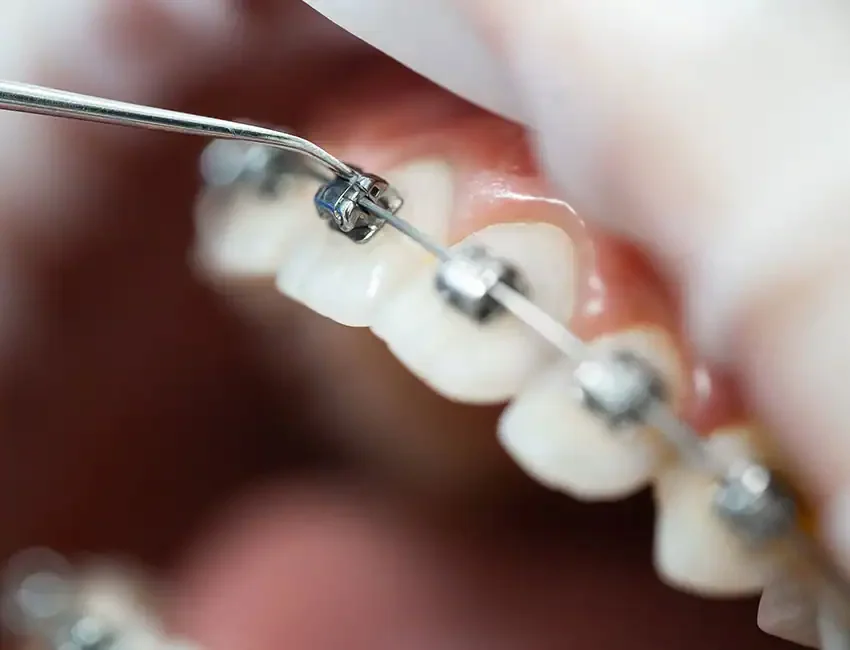
- Traditional Metal Braces: Metal brackets and wires that gradually move teeth into proper positions through controlled pressure applied over time.
- Clear Aligners: Removable plastic trays that straighten teeth through a series of custom-made aligners worn for specific periods.
- Ceramic Braces: Tooth-colored brackets that work like metal braces but are less visible for patients concerned about appearance.
- Palatal Expanders: Appliances that widen the upper jaw to create space for crowded teeth or correct crossbites.
- Retainers: Custom appliances worn after active treatment to maintain teeth in their new positions and prevent relapse.
- Functional Appliances: Devices that guide jaw growth and development in growing children to improve bite relationships.
How Do Orthodontists Use Advanced Technology?
Modern orthodontic practices utilize sophisticated technology that makes treatment more precise, comfortable, and efficient. Digital imaging and 3D scanning create detailed models of your teeth and bite without messy impressions, allowing orthodontists to plan treatment more accurately and show you predicted results before treatment begins. This technology helps them design custom appliances and track progress throughout treatment.
Many orthodontists use digital treatment planning software that maps out the entire course of treatment, predicting how teeth will move and how long treatment will take. Some practices incorporate accelerated treatment techniques using specialized devices that can reduce treatment time. Advanced bracket systems and wire materials make tooth movement more comfortable and efficient than older orthodontic methods.
Why Should You Choose Orthodontic Treatment Over Cosmetic Alternatives?
Orthodontic treatment addresses the underlying causes of alignment problems rather than just covering them up with cosmetic solutions. Properly aligned teeth are easier to clean, reducing your risk of cavities and gum disease throughout your life. Correcting bite problems can prevent excessive tooth wear, reduce jaw strain, and alleviate pain associated with temporomandibular joint disorders.
While cosmetic dentistry, like veneers, can improve the appearance of crooked teeth, orthodontic treatment actually moves teeth into healthier positions that support long-term oral health. Straight teeth also provide better chewing efficiency and can improve speech clarity, benefits that cosmetic treatments alone cannot provide.
What Are The Long-Term Benefits Of Orthodontic Treatment?
Orthodontic treatment provides lifelong benefits that extend far beyond improved appearance. Straight teeth are easier to brush and floss effectively, resulting in better oral health and a reduced risk of cavities and gum disease. Proper bite alignment reduces stress on teeth and jaw joints, preventing premature wear and potential jaw problems later in life.
Working with skilled orthodontists and maintaining regular care with your general dentist at Foothill Ranch Dentistry in Foothill Ranch, CA ensures optimal results and long-term stability. Following treatment, wearing retainers as directed helps maintain your new smile and protects your investment in orthodontic care.
Learn More About Orthodontic Procedures
Understanding orthodontic treatment options can help you make informed decisions about improving your smile and oral health. Your general dentist at Foothill Ranch Dentistry in Foothill Ranch, CA can evaluate your bite and tooth alignment during regular visits and determine if you might benefit from orthodontic consultation. Remember that orthodontic treatment is designed to improve both the function and appearance of your smile, often providing solutions that enhance your oral health and confidence for years to come.
Related Treatment
Orthodontics
Comprehensive orthodontic care for all ages, with braces and clear aligners to straighten crowded or crooked teeth.
Learn about orthodontics →