
Last updated December 23, 2025
Root canal therapy is one of the most misunderstood dental procedures, often causing unnecessary anxiety due to myths and misconceptions surrounding the treatment. At Foothill Ranch Dentistry, we believe that education is the key to helping our patients feel comfortable and confident about their dental care in Foothill Ranch, CA. Understanding the facts about root canals can transform your perspective on this valuable procedure that saves millions of teeth each year and provides lasting relief from dental pain.
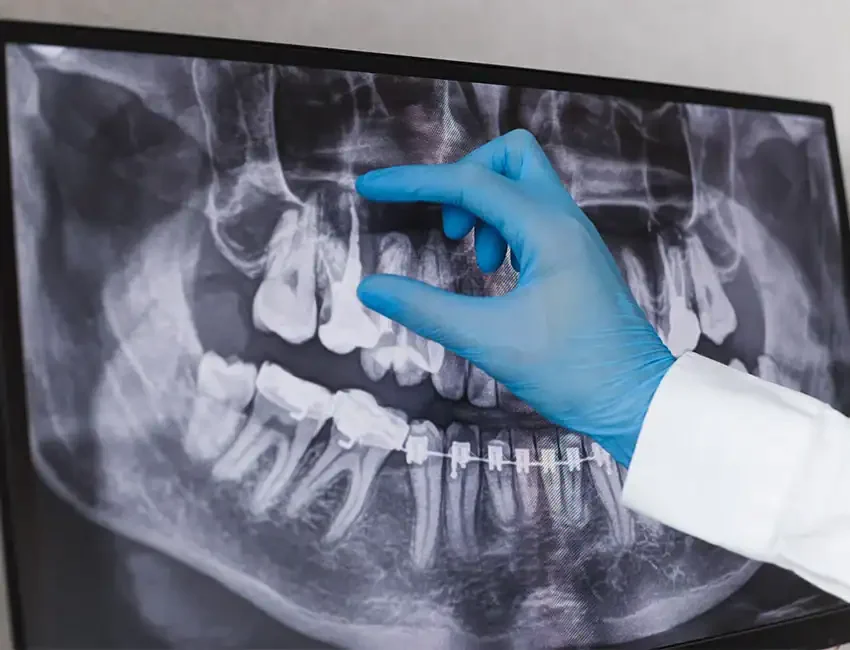
What is the Pulp?
The dental pulp is the soft tissue inside your tooth that contains nerves, blood vessels, and connective tissue, extending from the crown down through root canals to the tip of the roots. This living tissue plays a crucial role during tooth development, providing nutrients and forming the hard dentin that makes up the majority of your tooth structure. The pulp is protected by layers of enamel and dentin, but it can become exposed to bacteria through deep decay, cracks, or trauma.
Once a tooth is fully developed, it can survive without the pulp because surrounding tissues continue to nourish the tooth. However, when the pulp becomes infected or severely inflamed, it cannot heal on its own and will eventually die, leading to pain, swelling, and potential tooth loss if left untreated.
Why Does the Pulp Get Infected?
Several factors can lead to pulp infection or inflammation that requires root canal treatment. Deep decay that reaches the pulp chamber allows bacteria to enter and multiply, causing infection and inflammation that can become extremely painful. Repeated dental procedures on the same tooth can also irritate the pulp, while cracks or chips provide pathways for bacteria to reach the inner tooth.
Trauma from accidents, sports injuries, or grinding can damage the pulp even when there’s no visible crack or chip on the tooth surface. Large fillings, crowns, or other extensive dental work can sometimes compromise the pulp over time, leading to gradual deterioration that eventually requires root canal therapy to save the tooth.
Common Misconceptions about Root Canals
Many patients have heard frightening stories about root canals that simply aren’t based on modern dental reality. One common misconception is that root canal treatment is extremely painful, when in fact the procedure itself is typically no more uncomfortable than getting a large filling. The pain people associate with root canals usually comes from the infected tooth before treatment, not from the actual procedure.
Another widespread myth suggests that it’s better to extract the tooth rather than have a root canal, but saving your natural tooth through root canal therapy is almost always the better choice for your oral health and function. Some people also believe that root canal treatment causes illness, but this claim has been thoroughly debunked by scientific research and dental organizations worldwide.
Myths and Facts About Root Canals
Understanding the truth about root canals helps dispel unnecessary fears and concerns about this common procedure. Separating fact from fiction allows patients to make informed decisions based on scientific evidence rather than outdated misconceptions.
-
Myth #1: Root canals are extremely painful.
-
Fact: Modern root canal treatment is typically comfortable with local anesthesia and causes minimal discomfort.
-
Myth #2: Root canal treatment causes illness.
-
Fact: Scientific research shows no valid correlation between root canal treatment and systemic health problems.
-
Myth #3: It’s better to extract the tooth.
-
Fact: Saving your natural tooth through root canal therapy is usually the best option for long-term oral health.
-
Myth #4: Root canals require many appointments.
-
Fact : Most root canals can be completed in just one or two appointments. Modern endodontic techniques and technology have significantly streamlined the process.
-
Myth #5: Root canal treatment doesn’t last.
-
Fact: Properly treated root canal teeth can last a lifetime with appropriate care and restoration.
Success Rates and Longevity
Root canal therapy boasts impressive success rates, with studies showing that 85-97% of treated teeth can be saved and function normally for many years. The success of treatment depends on factors such as the tooth’s condition before treatment, the complexity of the case, and how well the patient maintains oral hygiene afterward. Most root canal-treated teeth last a lifetime when properly restored with a crown or filling.
Modern techniques, advanced instruments, and improved materials have significantly enhanced the predictability and longevity of root canal treatment. Digital imaging and rotary instrumentation allow for more thorough cleaning and shaping of the root canals, while biocompatible filling materials provide better sealing to prevent reinfection.
Why Root Canal Therapy Is Necessary
Root canal treatment is needed when the tooth pulp becomes infected, inflamed, or dead due to decay, trauma, or other issues. Without treatment, the infection can spread, causing abscesses and serious health complications. The pulp cannot heal on its own, leading to increased pain and potential tooth loss. By preserving your natural tooth through root canal therapy, you maintain chewing function, prevent shifting of adjacent teeth, and avoid costly replacements. Early treatment while the pulp is infected but the surrounding bone is healthy usually leads to better outcomes and faster healing.
Post-Treatment Care Overview
Proper care following root canal treatment ensures optimal healing and long-term success of the procedure. You may experience mild discomfort for a few days after treatment, which typically responds well to over-the-counter pain medications and should gradually decrease. Avoid chewing on the treated tooth until your permanent restoration is placed, and maintain excellent oral hygiene to prevent new decay or gum disease. Schedule your follow-up appointment promptly to place the permanent filling or crown, as the temporary restoration is not designed for long-term use. Most root canal-treated teeth require a crown to protect against fracture and restore full function, especially for back teeth that withstand significant chewing forces.
Root Canals and Your Overall Health
Contrary to outdated theories, modern scientific evidence shows that root canal treatment does not negatively impact your overall health and may actually improve it by eliminating a source of infection. Removing infected pulp tissue prevents the spread of bacteria that could potentially affect other parts of your body, particularly important for patients with compromised immune systems or certain medical conditions.
Root canal therapy allows you to keep your natural tooth, which is beneficial for maintaining proper nutrition through effective chewing and preserving jawbone structure that supports facial features. The procedure is recognized by medical and dental organizations worldwide as a safe, effective treatment that contributes positively to both oral and systemic health.
Learn More About Root Canal Treatment
Understanding the facts about root canal therapy can help alleviate concerns and empower you to make informed decisions about your dental health. At Foothill Ranch Dentistry, we use the latest techniques and technology to ensure your root canal treatment is as comfortable and successful as possible, helping you preserve your natural teeth for years to come. Contact us to learn how root canal therapy might be the solution to saving your tooth and relieving your discomfort.
Related Treatment
Root Canal Treatment
Gentle root canal therapy relieves tooth pain and saves your natural tooth, with modern anesthesia for comfort.
Learn about root canal treatment →