
Last updated January 12, 2026
Orthodontics is a specialized branch of dentistry focused on diagnosing, preventing, and treating dental and facial irregularities. Beyond creating beautiful smiles, orthodontic treatment improves oral health by properly aligning teeth and jaws, making it easier to clean your teeth and reducing the risk of decay, gum disease, and jaw problems. Whether you’re considering treatment for yourself or a family member, understanding orthodontic options can help you make informed decisions about achieving optimal oral health and confidence.
Common Problems Orthodontics Can Fix
Orthodontic treatment addresses a wide range of dental alignment issues that can affect both function and appearance. Understanding these common problems helps you recognize when a professional evaluation might be beneficial.
Crowded and Crooked Teeth
Crooked or crowded teeth are among the most frequent concerns, occurring when there isn’t enough space in the jaw for all teeth to align properly. This crowding can make cleaning difficult and increase the risk of tooth decay and gum disease.
Spacing and Gap Issues
Spacing issues, including gaps between teeth, can result from missing teeth, small teeth, or habits like thumb sucking. While some spacing is purely cosmetic, larger gaps can affect speech and allow food to become trapped.
Bite Problems
Bite problems represent more complex orthodontic issues that affect how your upper and lower teeth come together. An overbite occurs when upper teeth significantly overlap the lower teeth, while an underbite happens when lower teeth protrude beyond the upper teeth. Crossbites involve teeth that don’t align properly when biting down, and open bites create gaps between upper and lower teeth even when the jaw is closed.
Jaw Alignment Issues
Jaw alignment problems can cause difficulty chewing, speaking, or even breathing. These issues often require comprehensive treatment to achieve proper function and facial balance.
Understanding Your Treatment Journey: Orthodontic Phases
Orthodontic treatment typically follows a structured approach designed to achieve the best possible results while ensuring your comfort throughout the process. The initial consultation phase involves a comprehensive examination of your teeth, bite, and facial structure. Your orthodontist will take X-rays, photographs, and impressions to create a detailed treatment plan tailored to your specific needs. This is also when you’ll discuss treatment options, timeline expectations, and financial considerations.
Active treatment represents the main phase where your teeth are gradually moved into their proper positions. This phase can last anywhere from 12 to 36 months, depending on the complexity of your case and the treatment method chosen. Regular appointments, typically every 4-8 weeks, allow your orthodontist to monitor progress and make necessary adjustments.
The retention phase begins once your teeth have reached their ideal positions. Retainers are essential during this phase to prevent your teeth from shifting back to their original positions. Initially, retainers may need to be worn full-time, gradually transitioning to nighttime-only wear. This phase is crucial for maintaining your beautiful new smile long-term.
Braces vs. Invisalign: Choosing Your Perfect Fit
Modern orthodontics offers several treatment options, with traditional braces and Invisalign clear aligners being the most popular choices. Understanding the differences helps you select the best option for your lifestyle and treatment needs.
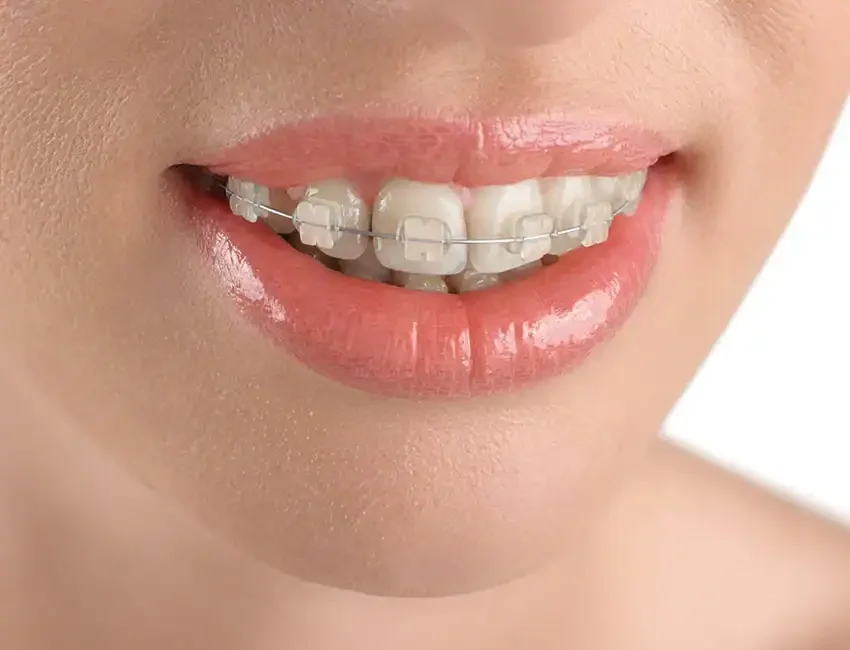
Traditional braces consist of metal or ceramic brackets bonded to your teeth, connected by wires that apply gentle pressure to move teeth into position. Metal braces are highly effective for complex cases and typically cost less than other options. Ceramic braces offer a more aesthetic alternative with tooth-colored brackets that blend with your natural teeth, though they may require more careful maintenance.
Invisalign uses a series of custom-made, clear plastic aligners that gradually shift your teeth into proper alignment. These removable aligners are virtually invisible and can be taken out for eating, drinking, brushing, and special occasions. Invisalign works well for mild to moderate alignment issues and appeals to adults who prefer a discreet treatment option.
The choice between braces and Invisalign depends on several factors. Braces may be recommended for complex bite problems, severe crowding, or when precise tooth movement is required. Invisalign works best for patients with good oral hygiene habits who will consistently wear their aligners as directed. Your orthodontist at Foothill Ranch Dentistry will evaluate your specific case and recommend the most appropriate treatment option.
Age and lifestyle considerations also play a role in treatment selection. Teenagers might prefer the reliability of braces, while working adults often appreciate the discretion of Invisalign. Both options can achieve excellent results when properly managed by an experienced orthodontist.
Learn More About Orthodontics and Your Smile
Orthodontic treatment is an investment in your oral health, confidence, and overall quality of life that can provide benefits for decades to come. Whether you’re dealing with crowded teeth, bite problems, or simply want to enhance your smile, modern orthodontic options offer comfortable and effective solutions for patients of all ages. The team at Foothill Ranch Dentistry is committed to helping you achieve the healthy, beautiful smile you’ve always wanted through personalized care and the latest orthodontic technologies.
Related Treatment
Orthodontics
Comprehensive orthodontic care for all ages, with braces and clear aligners to straighten crowded or crooked teeth.
Learn about orthodontics →