


If you have a damaged tooth, two options typically come up: root canal treatment to save it, or extraction to remove it. Both resolve the immediate problem, but they lead to very different long-term outcomes. Root canal treatment preserves the natural tooth and its supporting structures. Extraction eliminates the tooth and creates a gap that needs to be managed. Understanding how dentists decide between them helps you have a more confident conversation about your own situation.
What Makes a Damaged Tooth Worth Saving?
The central question in this decision is whether the tooth can be restored to reliable long-term function after treatment.
A tooth with a deep infection but intact root structure and adequate crown remaining is a strong candidate for a root canal. The infection is addressed by removing the affected pulp, cleaning and sealing the canal system, and placing a crown to protect what is left. That tooth can then function normally for many years.
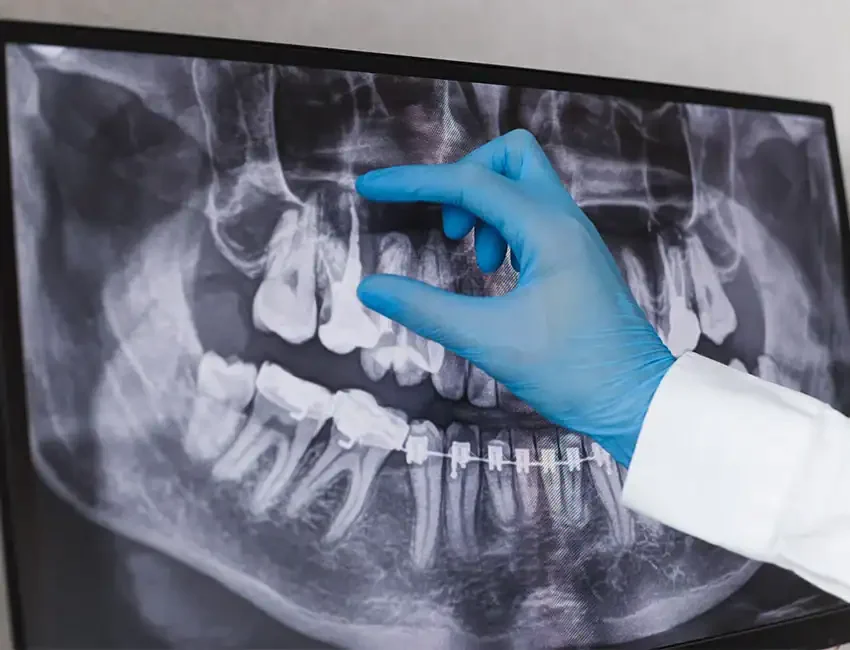
The evaluation includes X-rays to assess bone levels around the root, clinical probing to check gum health, and an assessment of how much tooth structure remains. If the findings support a durable restoration, saving the tooth is the preferred path.
When Does Extraction Become the Better Option?
There are situations where attempting to save a damaged tooth does not produce a reliable outcome, and extraction is the more practical recommendation. These are the most common clinical reasons:
- Vertical root fracture: A crack that runs down the length of the root cannot be repaired and makes the tooth unsalvageable, regardless of how successful a root canal might otherwise be
- Severe bone loss: Advanced periodontal disease that has destroyed the bone supporting the root leaves the tooth without a stable foundation, even after the infection is cleared
- Insufficient crown structure: A tooth so broken down that no crown could attach and function reliably is a poor candidate for root canal investment
- Failed prior treatment: A tooth that has already undergone root canal treatment and has re-infected or reinfected multiple times may ultimately be better removed and replaced
- Strategic extraction planning: In some cases, removing a tooth that cannot be saved is part of a broader treatment plan that leads to a more stable and functional outcome overall
What Happens After Extraction?
Extraction resolves the immediate problem, but it creates a new one: a gap in the arch that needs to be addressed.
Bone in the extraction area begins to resorb within months because it is no longer stimulated by a tooth root. Adjacent teeth gradually tilt toward the space, and the opposing tooth drifts into it. Over time, these shifts change the bite and complicate future restoration.
A dental implant is the most common replacement option following extraction and provides the best bone preservation of available choices. However, it adds to the total treatment time and cost. When this is factored in, the cost comparison between saving a tooth and replacing it often tips in favor of root canal treatment for salvageable teeth.
How Is the Decision Actually Made?
Your dentist will evaluate the depth of the infection or damage, bone levels on X-ray, the amount of healthy tooth structure remaining, the restorability of the crown, and any history of prior treatment on the tooth. In straightforward cases, the answer is clear. In borderline cases, a second opinion from an endodontist—a specialist in root canal treatment—may help clarify the prognosis before a decision is made.
Frequently Asked Questions
Is a root canal more painful than an extraction?
Most patients find that a root canal, performed under local anesthesia, is no more uncomfortable than a filling. The tooth is fully numb during the procedure. Post-treatment soreness from both a root canal and an extraction is comparable and typically resolves within a few days with over-the-counter pain relief.
How long does a root canal-treated tooth last?
With a properly placed crown and consistent oral hygiene, a root canal-treated tooth can last 10 to 20 years or longer. The crown protecting it is the most critical factor—a treated tooth left without a crown is significantly more likely to fracture. Regular dental exams allow your provider to monitor the tooth and catch any changes early.
The Right Choice Starts With a Clear Picture of the Tooth
For most damaged teeth that can be reliably restored, root canal treatment and a crown produce a better long-term outcome than extraction followed by replacement. When the tooth cannot be saved, a well-timed extraction and implant plan is the next best path. Either way, making an informed decision requires an exam and imaging—not a guess.
If you want to learn more about root canal treatment, visit our Root Canal Treatment in Foothill Ranch page or schedule a consultation.